Some companies see cybersecurity as a cost center. We see things a little different. LEARN MORE >
 Experiencing a Breach?

Blog
Blog Post V 2
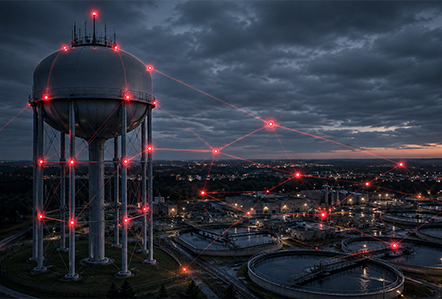
Hackers Are Hitting U.S. Water Systems
Suspected Iranian-backed hackers targeted nine Michigan water systems. Nothing was breached, but the exposure they went after isn't unique to utilities.
Blog Post V 2
The Michigan Water Attacks Were a Message
The attackers got inside and then did almost nothing. Inversion6 CISO Ian Thornton-Trump on why that restraint is the whole point.

Blog Post V 2
Why U.S. Water Systems Remain Vulnerable
Wisconsin offered 600+ water facilities a free federal security assessment. Two signed up. The former state CISO explains why that was rational.
Blog Post V 2
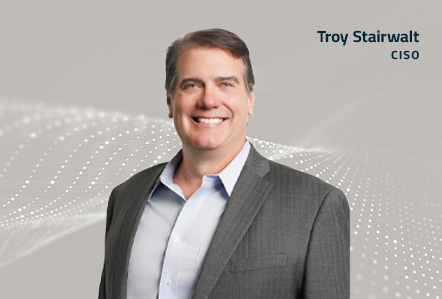
6 Questions With Troy Stairwalt
How can a small business afford the former CISO of Westfield Insurance and the State of Wisconsin? Six questions with Troy Stairwalt.

Blog Post V 2
CMMC Phase II Suspended?
The Department of War paused CMMC Phase II certification. The certification is on hold. The controls are not.

Blog Post V 2
Turning Threat Intelligence into Proactive Security
A global manufacturer needed more than awareness—they needed actionable intelligence. This case study shows how weekly threat briefings transformed their security posture, improved compliance and enabled proactive risk mitigation.